
Sciatica Treatment in St. Marys
Sciatic nerve pain relief in St. Marys, KS. Dr. Durbin uses non-surgical decompression and adjustments to ease leg pain without drugs or surgery.
Chiropractic care for sciatica
Get to the root of your sciatica
Also known as: Sciatic Nerve Pain, Lumbar Radiculopathy
If you feel a sharp, burning, or electric pain shooting from your lower back down your leg — sometimes all the way to your foot — that's sciatica, and it's one of the most common reasons people seek chiropractic care. At Prairie Star Chiropractic, Dr. James Durbin uses non-surgical spinal decompression and gentle adjustments to take pressure off the sciatic nerve and help people in and around St. Marys find relief without drugs or surgery.
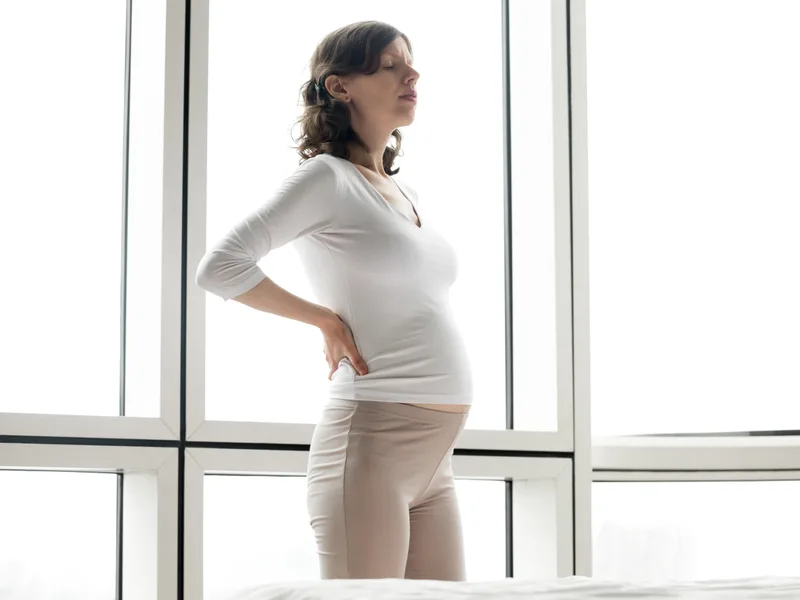
Symptoms of sciatica
- ✓Sharp, burning, or electric pain running from the low back into the leg
- ✓Numbness or tingling down the back of the thigh, calf, or foot
- ✓Weakness in the leg or foot on the affected side
- ✓Pain that worsens with sitting, sneezing, or coughing
- ✓A constant ache in the hip or buttock
- ✓Shooting pain that makes it hard to stand or walk
- ✓Symptoms on one side only (occasionally both)
Common causes
- Herniated or bulging lumbar disc pressing on the nerve root
- Bone spurs narrowing the spinal canal or foramen
- Degenerative disc disease reducing disc height
- Piriformis syndrome — the sciatic nerve irritated by a tight piriformis muscle
- Spinal stenosis and narrowing from arthritis
- Prolonged sitting or sedentary lifestyle increasing disc pressure
- Sports injuries, falls, or auto accidents that shift spinal alignment
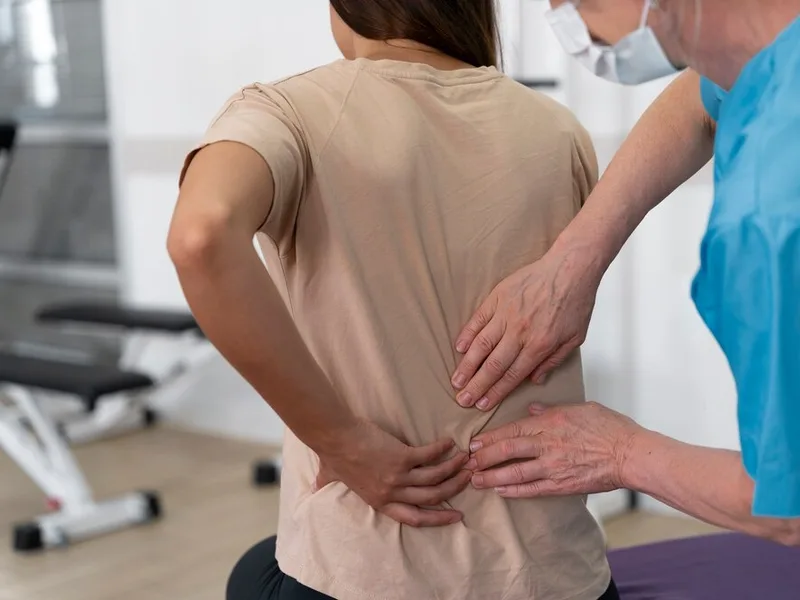
Our approach
How we treat sciatica in St. Marys
- Step 1
Thorough nerve & spine exam
We perform orthopedic and neurological testing to confirm which nerve root is involved, rule out red flags, and determine whether decompression, adjustments, or a combination is the right first step.
- Step 2
A clear, personalized plan
You leave the first visit with a plain-English explanation of what's driving your sciatica and a care plan matched to it, which Dr. Durbin reviews with you as you progress.
- Step 3
Decompression, adjustment & home care
Non-surgical spinal decompression gently separates the vertebrae to take pressure off the disc and nerve; adjustments restore joint mobility; simple home exercises strengthen the muscles that protect the disc long-term.
The basics
Understanding sciatica
The sciatic nerve is the largest nerve in the human body — it begins at the lumbar spine, passes through the buttock, and runs all the way down each leg to the foot. When a disc, bone spur, or narrowed joint space presses on one of the nerve roots that forms the sciatic nerve, the result is the familiar pattern of pain, numbness, tingling, or weakness that can radiate from the low back all the way to the toes.
Most sciatica originates at the L4, L5, or S1 disc levels in the lumbar spine. A herniated or bulging disc is the single most common trigger, but spinal stenosis, degenerative disc disease, and even a tight piriformis muscle in the buttock can compress or irritate the nerve and produce identical symptoms. Because the root cause is mechanical — a structure pressing on a nerve — conservative care that relieves that pressure is often highly effective, and surgery can frequently be avoided.
New Patient Special
visit
A first-visit special for new patients.
Book your first visit
Book online in a minute, or call and we will find a time that fits your day.
Self-pay and cash-pay practice.
When to see a chiropractor in St. Marys
Sciatica has a wide spectrum of severity — from a mild ache that comes and goes to debilitating pain that makes sitting, standing, or walking nearly impossible. Consider booking an exam at Prairie Star Chiropractic if you notice:
- Leg or buttock pain that has lasted more than a week or two
- Numbness or tingling running down the thigh, calf, or into the foot
- Weakness in a leg or foot that affects your balance or gait
- Pain that flares severely with sitting, sneezing, or coughing
- Recurring episodes that keep interrupting your work or workouts
- Sciatic symptoms following a car accident, sports injury, or fall
Red flag — seek emergency care immediately if you experience loss of bladder or bowel control, saddle-area numbness, or sudden weakness in both legs. These are signs of cauda equina syndrome, which requires urgent medical evaluation rather than a chiropractic visit.
For the large majority of sciatica presentations without red flags, a thorough exam lets us confirm the nerve root involved, identify the structure causing the compression, and start a targeted care plan the same day. Learn more about how disc problems connect to low back pain or explore what spinal decompression involves before your visit.
Types of sciatica we treat
Sciatica has many faces, and your care plan should match the specific cause — not a one-size-fits-all protocol. We help people in the St. Marys area with:
- Disc herniation sciatica — the most common type, where a bulging or herniated disc presses directly on a lumbar nerve root. Often responds very well to non-surgical spinal decompression.
- Spinal stenosis sciatica — nerve compression from a narrowed spinal canal, common in patients over 50. A combination of decompression and chiropractic adjustment helps restore space and mobility.
- Piriformis syndrome — the sciatic nerve is irritated by a tight piriformis muscle in the buttock rather than at the spine. Targeted stretches you can do at home and trigger point therapy for the tight muscle are key here.
- Degenerative disc sciatica — reduced disc height from wear gradually narrows the foramen where nerve roots exit, causing ongoing or recurring symptoms. Often tied to broader disc injury or back pain patterns.
- Post-injury sciatica — a fall, sports injury, or car accident shifts spinal alignment and loads the disc or nerve. It can also appear alongside hip pain when the pelvis is involved.
- Pregnancy-related sciatica — a growing baby, shifting posture, and changes in the pelvis can irritate the sciatic nerve. Our gentle prenatal care, including the Webster Technique for pelvic and sacral balance (Dr. Durbin is Webster Certified through the ICPA), offers drug-free support for expecting moms.
Your first visit includes the testing needed to tell these apart, so treatment targets the actual cause.
What to expect at your first visit
Your first appointment is longer than a regular visit, and we spend that time understanding your nerve pain before we touch your spine. Here’s how it goes:
- Listen to your history — when symptoms started, what makes them better or worse, and how sciatica is affecting your daily life.
- Orthopedic and neurological testing — we perform specific tests to confirm which nerve root is involved, rule out serious red flags, and locate the structure causing compression (we take X-rays only when they will change your care).
- Plain-English explanation — you leave knowing exactly what’s driving your sciatica and what we’ll do about it, with a clear care plan matched to your exam.
- Begin care when appropriate — you may receive your first gentle chiropractic adjustment or decompression session the same day.
Dr. Durbin reviews your plan with you as you progress, and any ongoing wellness visits are always your choice.
Drug-free sciatica relief — without medication or surgery
Medication can quiet sciatic pain for a few hours, and surgery is a major step that’s rarely necessary for most disc-related sciatica. Chiropractic care offers another path — relieve nerve pressure and correct the mechanical problem causing it, without drugs or downtime. Non-surgical spinal decompression gently separates the lumbar vertebrae to take pressure off the disc and nerve. Precise chiropractic adjustments restore joint mechanics. Simple home exercises rebuild the core and hip stability that protects the disc long-term. The goal of that combination is getting you back to work, workouts, and family life — and keeping you there. If imaging, medication, or a specialist referral is ever the right call, we’ll tell you honestly and coordinate that care promptly.
Why choose Prairie Star Chiropractic in St. Marys
Prairie Star Chiropractic serves St. Marys, Rossville, Wamego, Belvue, and Silver Lake, and with sciatica we don’t just chase the symptom — we find and address what’s compressing the nerve. Dr. James Durbin combines non-surgical spinal decompression to gently unload the disc, precise chiropractic adjustments to restore proper spinal mechanics, and simple home exercises to rebuild the core support that protects the disc long-term. The result is a care plan aimed at getting you out of pain and keeping you that way, which Dr. Durbin reviews with you as you progress.
We give every patient a plain-English explanation of exactly what we found, what we’ll do about it, and how long a realistic recovery takes. If your sciatica needs imaging, a specialist, or a level of care we can’t provide, we’ll tell you — and help coordinate that referral promptly.
Ready to find out what’s driving your leg pain? Our New Patient Special makes it easy to get started, and you can book an appointment online.
Why choose chiropractic
Chiropractic care vs. the typical sciatica routine
| Comparison factor | Chiropractic Care | Pain Meds & Surgery |
|---|---|---|
| Addresses the root cause | ✓Relieves nerve pressure at the source | ✕Masks the pain signal |
| Drug-free & non-invasive | ✓Always | ✕Rarely |
| Risk of side effects | ✓Minimal | ✕Higher (meds, surgery complications) |
| Personalized to you | ✓Custom care plan per exam | ✕Standardized protocols |
| Builds long-term resilience | ✓Home exercises included | ✕Seldom addressed |
| Typical recovery trajectory | ✓Active & progressive | ✕Often lengthy or recurring |
Treatment options
Services we use to relieve sciatica
Chiropractic Adjusting Techniques
Gentle, precise chiropractic adjustments in St. Marys, KS that restore motion to restricted joints and relieve back pain, neck pain, and headaches at the source.
Learn more →Pregnancy
Gentle prenatal chiropractic in St. Marys, KS — safe relief for back, hip, and pelvic discomfort during pregnancy, including the Webster Technique.
Learn more →Non-Surgical Spinal Decompression
Non-surgical spinal decompression in St. Marys gently stretches the spine to relieve herniated discs, sciatica, and chronic neck and back pain — drug-free.
Learn more →Webster Technique
Webster Technique in St. Marys — gentle chiropractic analysis and pelvis balancing for pregnant patients to support comfort and alignment throughout pregnancy.
Learn more →Related conditions
Other conditions we treat in St. Marys
What causes sciatica?+
Sciatica happens when the sciatic nerve — the longest nerve in your body — is compressed or irritated, usually by a herniated disc, bone spur, or narrowed spinal canal in the lower lumbar spine. The nerve travels from the lower back through the buttock and down each leg, which is why even a small amount of pressure at the spine can cause pain, numbness, or tingling all the way to the foot.
How long does sciatica last?+
Mild cases can ease within a few weeks with proper care. Longer-standing sciatica — especially from a herniated disc or stenosis — typically takes several months of consistent treatment. Skipping care or waiting it out often allows the underlying disc or joint problem to worsen, which extends recovery. Starting treatment early usually means a faster, fuller result.
How can I relieve sciatica pain at home?+
Gentle walking, ice on the lower back for the first 48–72 hours, heat after that, and avoiding prolonged sitting all help manage symptoms. Light piriformis and hip-flexor stretches can take tension off the nerve. That said, home care treats the symptom — not the disc or joint causing it. If your pain lasts more than a week or two, worsens, or affects both legs, book an exam so we can address the source.
When should I see a chiropractor for sciatica?+
If leg pain, numbness, or tingling persists more than a week, limits your daily activities, or keeps coming back, it's time for an exam. Early care almost always means a faster recovery and a lower chance of the problem becoming chronic.
Is chiropractic safe for sciatic nerve pain?+
Yes, for most people. We screen every patient on the first visit with orthopedic and neurological testing. Spinal decompression and adjustments are very well tolerated by good candidates. We'll be upfront if you need a different approach — including a referral — and we never begin care until we've confirmed you're a suitable candidate.
What is non-surgical spinal decompression for sciatica?+
Spinal decompression uses a decompression table to gently stretch the lumbar spine in controlled stretch-and-release cycles. The goal is to take pressure off the disc and the irritated nerve root — all without needles, drugs, or surgery.
How does payment work for sciatica treatment?+
Prairie Star Chiropractic is a self-pay and cash-pay practice, so we do not bill insurance. We go over the cost of care before treatment begins, and new patients can start with our New Patient Special.
Are there any warning signs I should go to the ER instead?+
Yes. Loss of bladder or bowel control, numbness in the groin or inner thighs, or rapidly progressing weakness in both legs are red flags for a serious condition called cauda equina syndrome and require emergency evaluation immediately — not a chiropractic appointment. Call 911 or go to the ER right away.
Can sciatica come back after treatment?+
It can, especially if the underlying disc weakness or posture habits aren't corrected. That's why our plans include home exercises — not just pain relief. Patients who complete their corrective phase and keep up those exercises give themselves the best chance of staying symptom-free.